Build on Paysio with an OpenAPI spec, safe retries and new webhook events
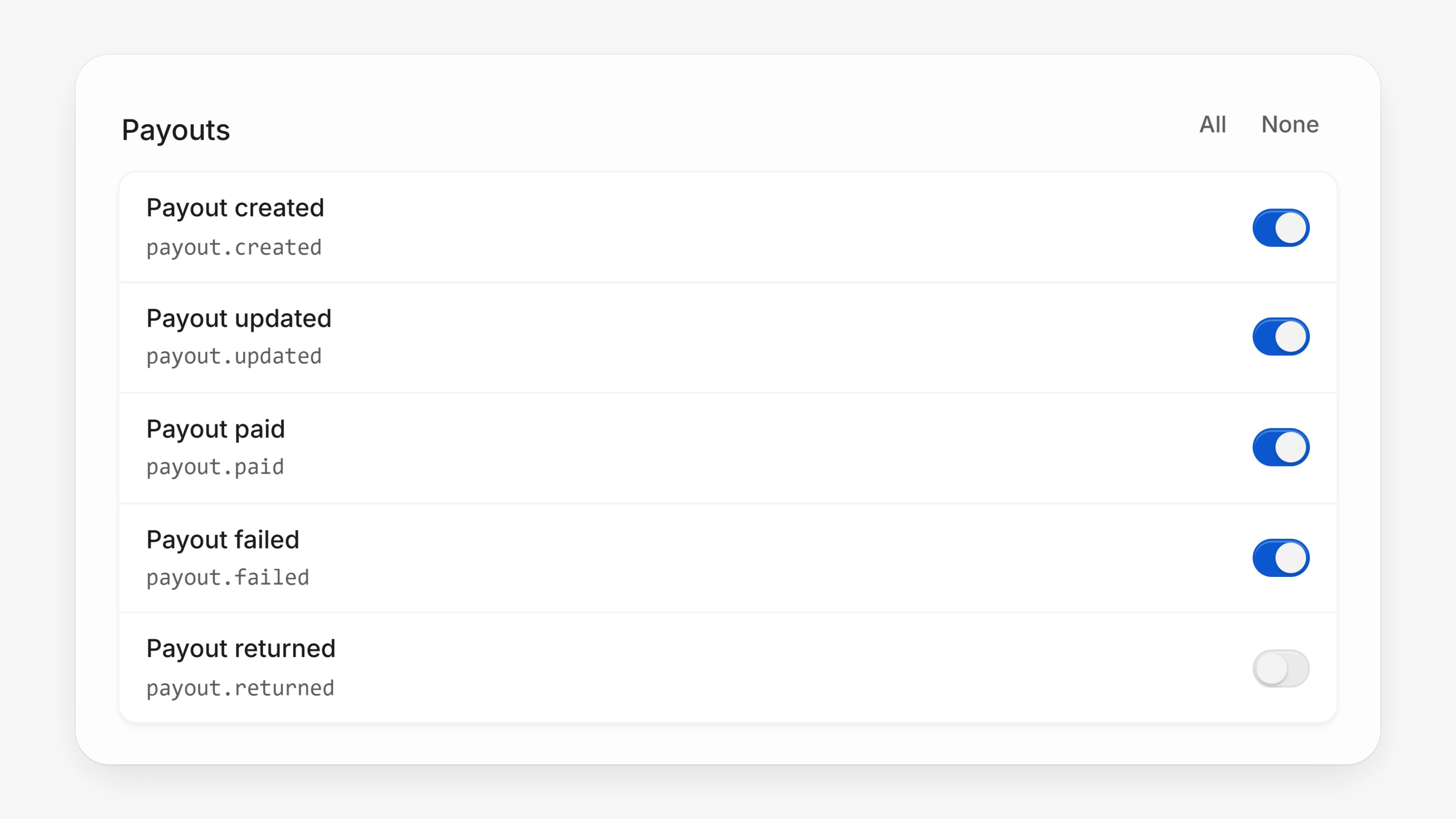
You can now download an OpenAPI 3.0 description of the Paysio API from GET /api/openapi.json and use it to generate clients or load it into API tools.
Send an Idempotency-Key header with POST /v1/charges and a retried request will not charge the customer twice. Errors now always include a machine-readable type, such as invalid_request_error, card_error or rate_limit_error, and resources include an object field.
The developer docs have a new AI Prompts section. It has copy-paste prompts and a prompt builder for setting up a Paysio integration with AI coding assistants. Paysio also publishes llms.txt and llms-full.txt for those tools.
- New webhook events you can pick in Settings, then Webhooks: Payout created, Payout updated, Payout paid, Payout failed, Order fulfilled and Order cancelled.
- Transactions now return a display-ready
orderLabel(for example "#00019"), and payouts returnpayout_label. - An optional
gatewayparameter onPOST /v1/charges,POST /v1/customersandPOST /v1/tokenspicks the gateway for a new card. - Products now return
active.archivedstill works. - Payouts, balance and account check endpoints work with Paysio Debit & Payouts even when another processor handles your cards.
- The docs now list a test bank account for sandbox bank payments.
- On Transactions, you can now filter by more than one customer at once.
- Creating an API key suggests a name based on the key type and mode.
- Checkout form fields are taller and no longer zoom the page on iPhone.
- Apple Pay and Google Pay charges from returning customers now show the real card brand and last four digits.